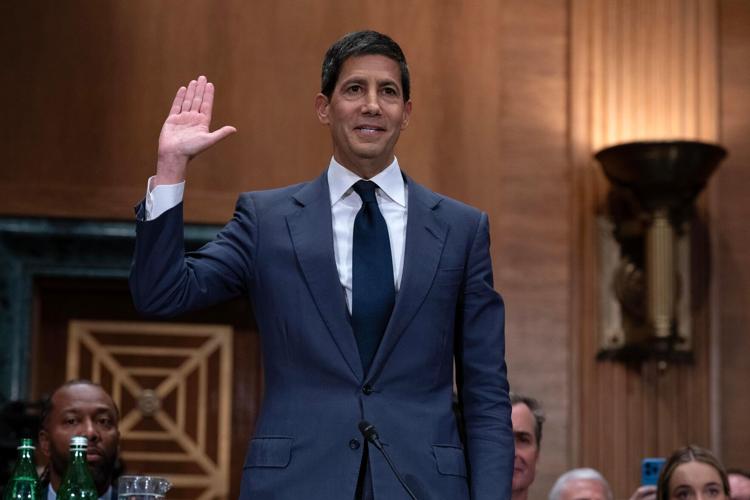
The Federal Reserve has a new leader, and that matters more than some people may think. Kevin Warsh has officially become the new chair of the Federal Reserve replacing Jerome Powell after Powell’s term as chair ended. Warsh was sworn in on May 22, 2026 and was also chosen to lead the Federal Open Market Committee, which is the group that helps set interest rate policy in the United States.
Now I know the words “Federal Reserve” may not sound exciting. For a lot of people it sounds like government talk that has nothing to do with daily life. But the Fed chair has a major impact on the economy. Their decisions can affect mortgage rates, car loans, credit cards, business loans, the stock market, and even job growth.
The Fed’s main job is to help keep the economy steady. Congress has given the Federal Reserve a goal of supporting maximum employment and stable prices. In simple terms, that means the Fed wants people working but it also wants inflation under control so prices do not keep rising too fast.
Kevin Warsh is not new to the Federal Reserve world. He served as a Fed governor from 2006 to 2011, which included the rough years of the 2008 financial crisis. He also has a background in banking and government, including work with Morgan Stanley and service as an adviser during the George Bush administration.
But even with that experience, Warsh has some big shoes to fill.
Jerome Powell led the Fed through some of the most difficult economic moments in recent history, including the COVID economy, high inflation, rising interest rates, and strong political pressure. Now Warsh is taking over at a time when Americans are still frustrated with the cost of living. Groceries, gas, rent, insurance, and everyday bills have left many families feeling squeezed.
That makes this job even harder.
If the Fed keeps interest rates high it can help fight inflation, but it also makes borrowing money more expensive. That means buying a house, financing a car, or using a credit card can cost more. But if the Fed cuts rates too soon inflation could heat back up and make prices even worse.
That is the tough balance Warsh now has to manage.
Politics also makes this role more complicated. The Fed is supposed to be independent, meaning it should make decisions based on the economy, not just what politicians want. But in today’s political climate every rate decision becomes a major debate. Some leaders want lower rates to boost the economy. Others worry that cutting rates too fast could keep inflation alive. Reuters reported that Warsh is stepping in while inflation remains above the Fed’s 2% target and while political pressure around rate decisions is already building.
For everyday Americans, the biggest thing to watch is what happens with interest rates. If Warsh takes a tougher stance on inflation, rates could stay higher for longer. If he believes the economy needs help he may push toward cuts later. Either way his words and decisions will be watched closely by banks, investors, businesses, and families.
The new Fed chair will not magically fix the economy overnight. He cannot directly lower grocery prices or make rent cheaper with one speech. But he does help steer the direction of the economy. That is why this change matters.