At what point does the thrill become too much?
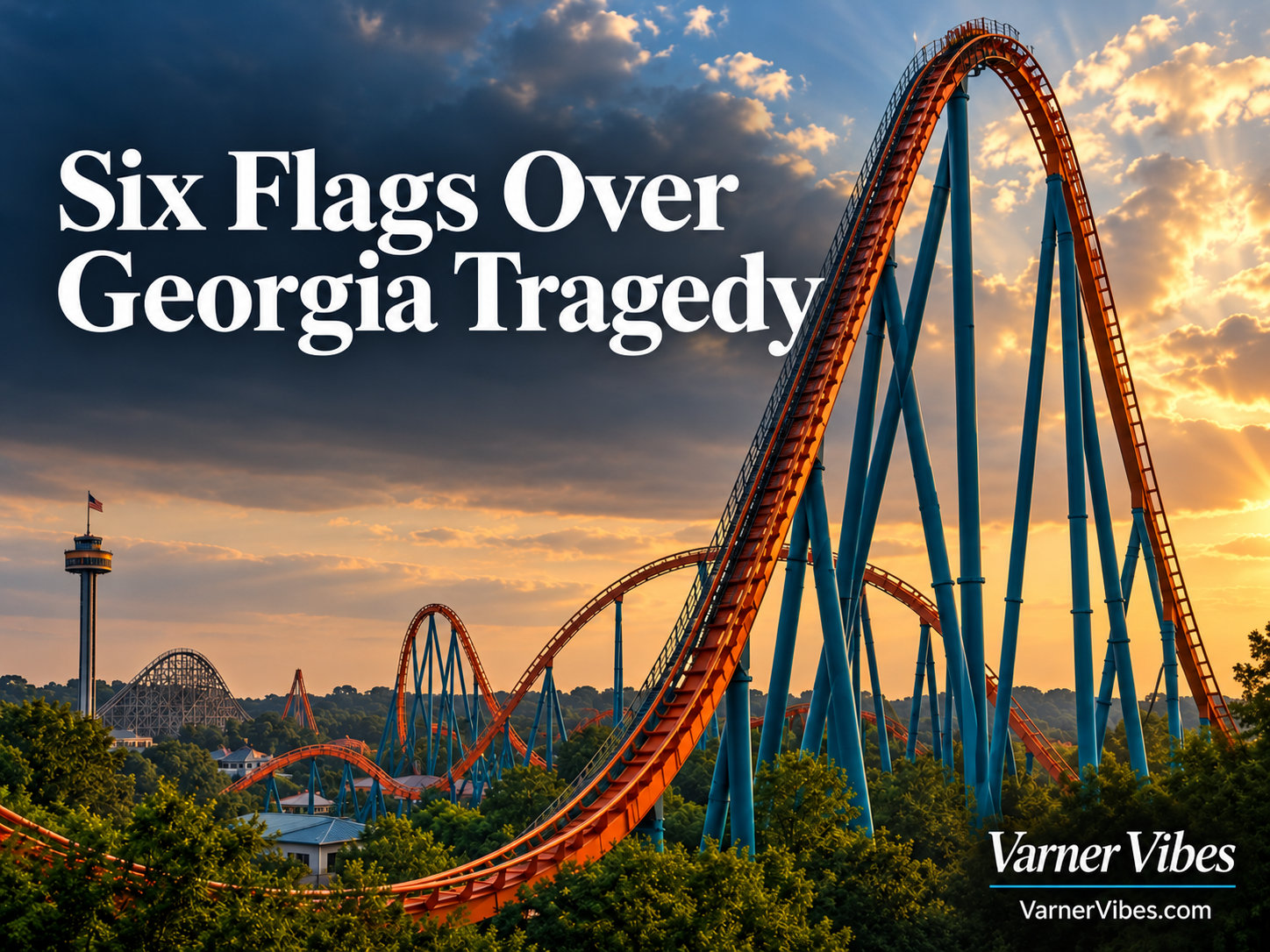
I’ve always understood why people love roller coasters. The speed, the height, the sudden drops, and that feeling of your stomach turning are all part of the experience. But after the recent tragedy at Six Flags Over Georgia I think we need to have a serious conversation about safety.
On October 12, 2026 Hassan Jihad Ibn Kariem lost his life after being ejected from the Goliath roller coaster. Four other riders were injured. The incident remains under investigation, and officials have not determined exactly what went wrong.
This one hit close to home for me. I have friends who knew the victim, and I’ve personally ridden Goliath before. I also know plenty of people who have enjoyed that same ride.
It’s scary knowing this could have been any of us.
How Far Is Too Far?
Something I’ve been thinking about is how far we’re willing to push these rides.
We build a roller coaster that goes faster and higher. People love it. Then we build another that goes even faster, climbs higher, and drops harder.
But where is the tipping point?
I’m not saying we should stop building roller coasters. I understand people love the adrenaline. However, just because we can push the limits doesn’t always mean we should.
At some point, safety needs to matter more than creating the next biggest thrill.
Unfortunately, This Has Happened Before
What makes this tragedy even more concerning is that Six Flags has experienced similar incidents.
In 2004, Stanley Mordarsky died after being ejected from Superman Ride of Steel at Six Flags New England. Investigators found that he had not been properly secured.
In 2013, Rosa Esparza died after falling from the Texas Giant roller coaster at Six Flags Over Texas. Following that tragedy, Six Flags added seat belts and made changes to the restraints.
Now in 2026, another family is dealing with an unimaginable loss.
Six Flags has announced plans to add seat belts to Goliath and other rides with similar restraints.
My question is simple… Why weren’t those extra safety measures already there?
I’m not claiming seat belts would have prevented this particular death. We don’t know that yet. But I believe every possible layer of protection should be considered before tragedy strikes.
We Put Our Lives in Their Hands
Several weeks before this tragedy, I visited a fair around Hampton, Georgia, with my son.
I noticed something I really respected. Some ride operators were willing to be flexible about tickets, but when it came to height requirements, they weren’t playing around.
If my son wasn’t tall enough, the answer was no. No exceptions.
I appreciated that because one small decision could make the difference between someone going home safely or not.
We often get on these rides without thinking twice. We trust that employees are trained, equipment is maintained, and everything has been checked.
We’re literally putting our lives in someone else’s hands.
That’s why even a simple human mistake can have devastating results.
Safety Should Never Be an Afterthought
I also have concerns about the legal waivers amusement parks use to limit liability. I understand there are risks with these rides, but accepting those risks shouldn’t mean companies escape responsibility if something goes wrong on their end.
To be fair, serious accidents like this are uncommon compared with the millions of rides people take. Many operators work hard to keep guests safe, and they deserve credit.
But uncommon doesn’t mean impossible.
As parents and visitors, we should pay attention to safety rules, height limits, restraints, and any concerns we have before riding.
My thoughts and prayers go out to the Kariem family.
I’m looking forward to the investigation’s findings because we still don’t have all the answers. I don’t want to blame an employee, the victim, or the equipment without knowing the facts.
What I do know is that someone went to an amusement park expecting a good time and never made it home.
In today’s world, with all our technology and safety systems, that’s incredibly hard to accept.